The Great Northern Diver
- dereksutton97
- Jul 10, 2023
- 2 min read


The Great Northern Diver
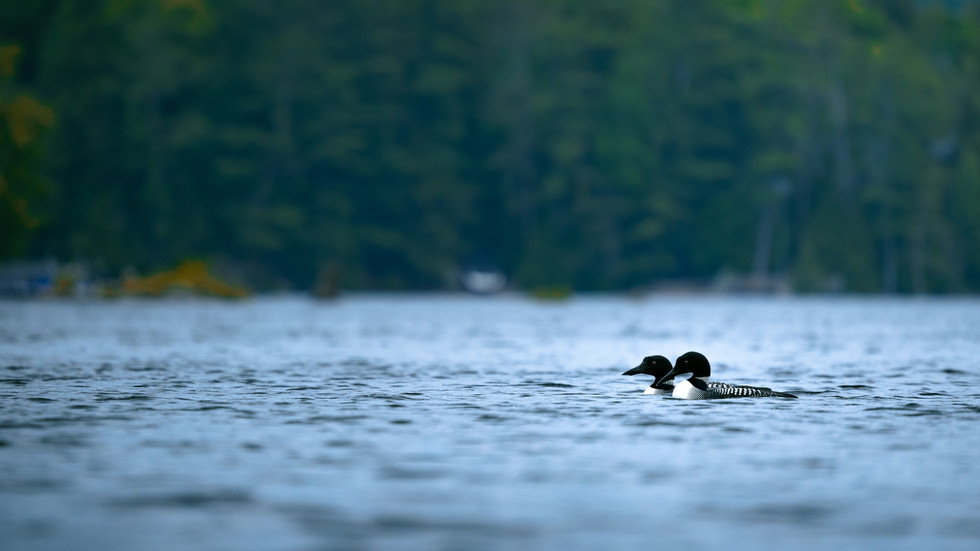
Loons, also known as the Great Northern Diver, are iconic birds found in freshwater lakes and ponds across North America and parts of Europe. These majestic birds are known for their haunting calls, striking appearance, and rich cultural significance.
Loons have a lifespan of 30 years and require a lake size of at least 12 acres to nest. Loons do not start nesting until the age of six when in late May, one to two eggs are laid. Both parents take part in the incubation, always staying close to the nest in case of a major disturbance. Eggs hatch in 29 days and the young will stay with their parents for the rest of the summer. They have a sleek body built for swimming and diving, and their webbed feet are positioned towards the back of their body, which helps them move gracefully underwater, but poorly on land. Loons are excellent divers reaching 70m and can stay submerged for several minutes while foraging for fish, their primary food source. Loons also have different calls. The ‘Yodel’ call of the loon announces territory, the ‘tremelo-call’ is described as an alarm call, and the ‘wail-call’ is a form of contact between a pair.
Modern loons have been found in the fossil record as early as the Eocene- about 35 million years ago. In prehistoric times, loons lived much further south than they do today. Their fossils have been found in California, Florida, and Italy. They are one of the oldest lineages of birds on Earth.
Furthermore, loons are regarded as guardians of the lakes and their inhabitants. Their presence is seen as an indicator of the overall health and balance of the ecosystem. They play a crucial role in maintaining the ecological integrity of their habitats by controlling populations of fish and invertebrates.